


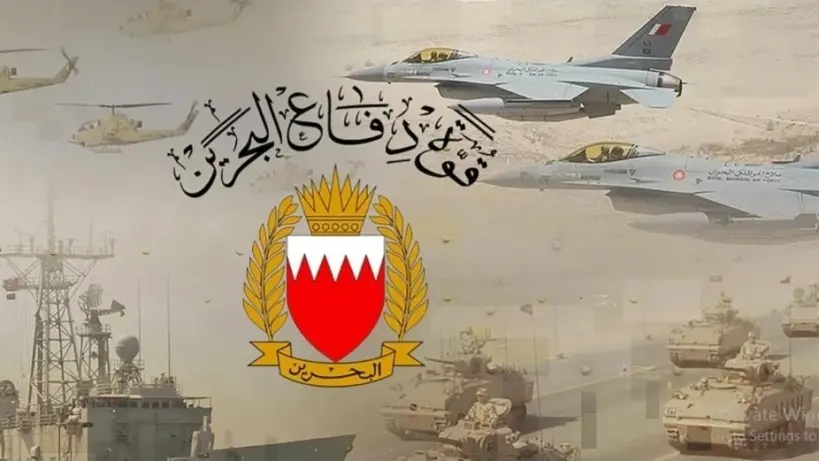
The Middle East has entered a critical phase of military escalation as multiple fronts ignite simultaneously. On Wednesday, March 11, 2026, the Bahrain Defense Force (BDF) confirmed its ongoing operations to repel consecutive waves of Iranian terrorist aggressions, maintaining a state of high alert to safeguard the Kingdom's territorial integrity.
The Strait of Hormuz: A Maritime Battleground
The conflict reached a boiling point in the Strait of Hormuz, where at least three vessels were reportedly hit in targeted strikes. This follows a provocative declaration by the Iranian military, labeling U.S., Israeli, and allied ships in the strait as "legitimate targets." This development has sent shockwaves through global markets, raising fears of a complete shutdown of the strategic waterway.
U.S. and Israeli Strategic Responses
In Washington, President Donald Trump expressed confidence in the military’s progress, stating that the war with Iran would end "soon" as there are virtually no targets left to strike. Trump highlighted that Tuesday’s operations successfully neutralized 16 mine-laying vessels, effectively disrupting Tehran's maritime disruption plans.
Meanwhile, Israeli Defense Minister Israel Katz adopted a more persistent tone, asserting that military operations will continue "without a time limit" until all strategic objectives are met and a decisive victory is secured across all combat theaters.
Lebanon Front: Operation “Al-Asf Al-Ma’kul”
The northern front saw a dramatic shift as Hezbollah announced the commencement of "Al-Asf Al-Ma’kul" operations against Israeli positions, reportedly launching dozens of rockets. In response, Israel intensified its aerial bombardment of Beirut’s southern suburbs. As the regional landscape shifts rapidly, the international community watches with growing concern, fearing that these localized conflicts are coalescing into a full-scale regional war with global implications.





Comments
Log in to write a comment