


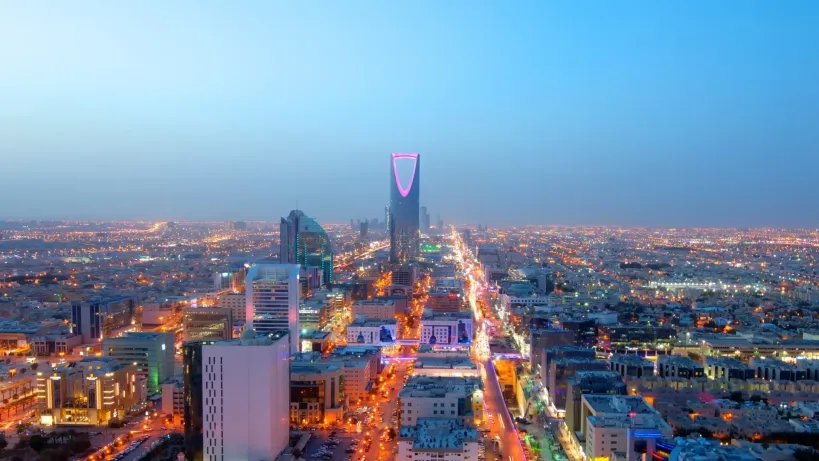
In the heart of the desert, where the future often feels as tangible as the sand underfoot, Saudi Arabia is setting the stage for its next grand act. The nation has begun constructing a third runway at King Salman International Airport, a move that signals more than just a boost in flights. It's a bold step toward redefining Riyadh as a global aviation hub.
The Grand Expansion
King Salman International Airport, backed by the Public Investment Fund, is not playing small ball. This third runway isn't just a strip of asphalt. It's a critical piece of the airport's master plan, designed to handle the long-term surge in air traffic demand. The project is getting its muscle from FCC Construcción SA and Al-Mabani General Contractors Company, two heavyweights in the construction arena.
This isn't just about more planes landing. The runway is crafted to dance with Riyadh’s wind patterns, ensuring safe and efficient operations no matter the skies' temper. Right now, the airport can handle 65 aircraft movements per hour. But with this new addition, that number jumps to 85. Efficiency isn't just a word here; it's a necessity.
A Strategic Vision
Marco Mejia, the Acting CEO at King Salman International Airport, sees more than concrete and steel in this project. To him, it's a key step in realizing the KSIA Master Plan. "We're not just about infrastructure," he says. "We're about world-class infrastructure that supports growth, boosts efficiency, and expands our reach without limits."
Saudi Arabia is not just laying down runways. It's laying down a marker. This project, announced by Crown Prince Mohammed bin Salman bin Abdulaziz, is stitched into the fabric of Saudi Vision 2030. The goal? To make Riyadh a global capital, a leading light in the aviation sector.
Beyond Just Airports
The site itself is a marvel. Set on the grounds of King Khalid International Airport, the development will weave old and new. Picture this: existing terminals mingling with three new ones, residential and leisure spots, six runways, and logistics facilities. A sprawling 57 square kilometers designed to welcome up to 100 million passengers a year and handle over two million tonnes of cargo by 2030.
Connecting the Globe
This runway isn't just about local flights. It's about global connections. As construction moves forward, the airport's network of international destinations will tighten, making Riyadh a key player on the world stage. This is more than infrastructure. It's about cementing Saudi Arabia's role in the global air transport story.

Comments
Log in to write a comment