


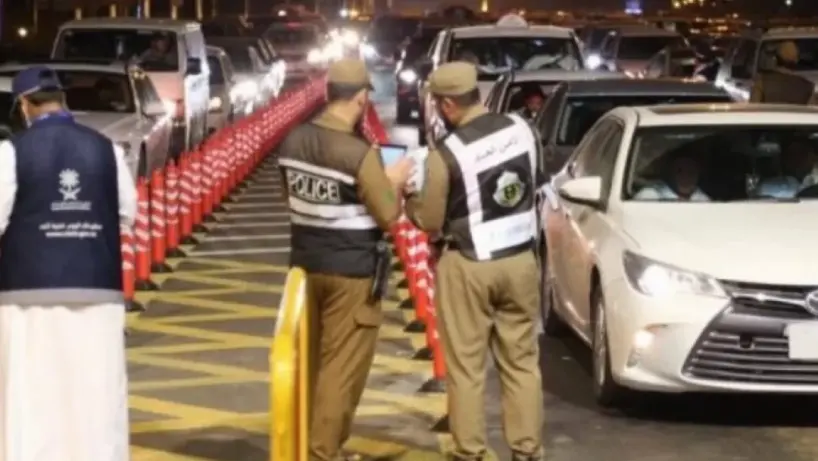
JEDDAH — Entering the holy city of Makkah during the Hajj season is a structured process. The Saudi Passport authorities have streamlined this by enabling six specific categories to apply for entry permits through the Absher Individuals platform. This development ensures that the necessary permits are accessible and convenient for those eligible, including expatriates.
Eligible Categories for Entry
Six groups can now easily secure entry permits to Makkah. These include holders of the Premium Residency and investors, which reflects Saudi Arabia's efforts to cater to a diverse range of individuals. Citizens from the Gulf Cooperation Council (GCC) countries and non-Saudi mothers of Saudi citizens are also included, emphasizing the country's commitment to maintaining ties with neighboring states and ensuring family unity.
Additionally, non-Saudi family members and domestic workers are part of this eligible list. The process for obtaining these permits is straightforward, involving just a few steps on the Absher platform. This digital approach underscores Saudi Arabia's embrace of technology in facilitating religious practices.
Security Measures and Permit Requirements
The security forces began enforcing new regulations on Dhul Qada 1 (April 19). They are committed to ensuring that only those with the correct permits can enter Makkah and its holy sites. This decision is part of the broader arrangements for the 2026 Hajj season, aiming to manage the massive influx of pilgrims efficiently.
Entry to Makkah is tightly controlled. Only individuals with a work permit for Makkah, a residency permit issued in Makkah, or a Hajj permit can enter. This restriction is in place to prevent unauthorized access and maintain order during the pilgrimage season.
Electronic Permit Issuance
Public Security has clarified that entry permits for expatriate workers during the Hajj season are issued electronically. This is facilitated through the Absher Individuals and Muqeem Portal platforms, in coordination with the Tasreeh platform, which is responsible for issuing unified Hajj permits.
The General Directorate of Passports has started accepting electronic applications for these permits. This means expatriate workers no longer need to visit passport offices in person, further simplifying the process and reducing administrative burdens.
This digital transformation in processing permits is a significant step towards integrating technology in religious tourism, setting a precedent for future Hajj seasons.







Comments
Log in to write a comment