


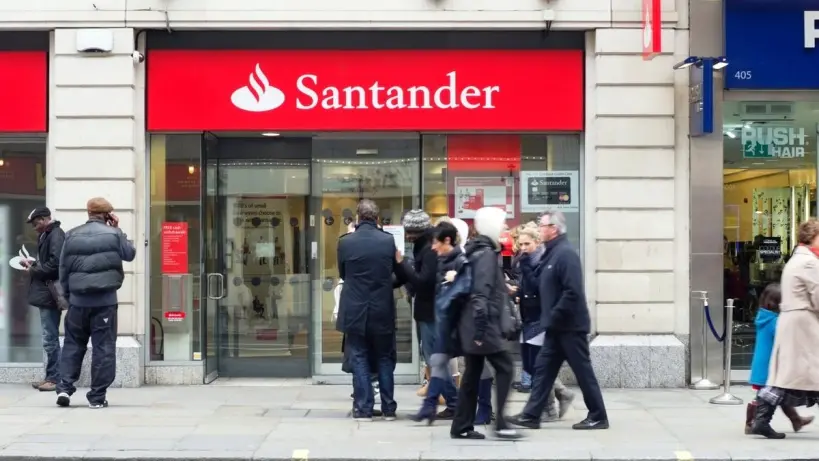
In a significant move reflecting the ongoing shift toward digital banking, Santander is set to close 44 of its UK branches. This decision places 291 jobs at risk and highlights the broader trend of diminishing physical bank locations in response to growing online banking preferences.
Digital Shift Drives Closures
As customers increasingly favor digital transactions, with 96% of Santander's operations now conducted online, the Spanish-owned bank has had to reassess its physical presence. The closure of these branches follows a previous announcement last year where Santander outlined plans to shut 95 branches, affecting 750 employees.
Impact Beyond Santander
It's not just Santander taking these steps. Lloyds Bank also has plans to close over 100 branches by March. The reduction in physical branches has drawn criticism, especially from ministers who argue that it limits access to cash for elderly and vulnerable populations, potentially creating 'banking deserts' in some areas.
Efforts to Maintain Customer Access
Despite the closures, Santander emphasizes its commitment to customer support. The bank plans to maintain representative services in community hubs and Santander Locals, ensuring at least one day of service per week at these locations.
Broader Banking Landscape
Across the UK, the issue of reduced access to banking facilities is becoming more pressing. Banking hubs, funded by major high street banks and managed by local Post Office managers, are emerging as a solution. However, their rollout has been slow, leaving some regions without easy access to banking services.
Conclusion: Navigating Change
As Santander and other banks continue to adapt to the digital era, communities and employees face the challenge of navigating the impacts of these closures. The balance between digital innovation and maintaining accessible, local bank services remains a crucial issue for stakeholders.








Comments
Log in to write a comment