


In what could be a defining moment for regional economic collaboration, India and the Gulf Cooperation Council (GCC) have initiated formal discussions on a prospective free trade agreement. This agreement aims to fortify economic ties between India and the council's six member states, such as Saudi Arabia, the United Arab Emirates, and Qatar.
Strategic Signing in New Delhi
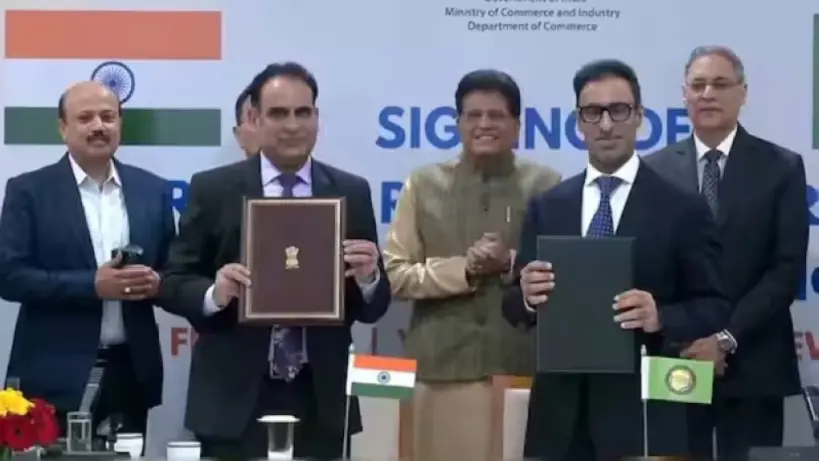
On Thursday, a significant milestone was marked in New Delhi when India signed the Terms of Reference (ToR) for the Free Trade Agreement (FTA) with the GCC. This pivotal event was attended by notable government officials including India’s Minister of Commerce and Industry Piyush Goyal, who underscored the agreement's potential to advance global economic stability.
Guiding the Negotiations
The ToR, signed by Ajay Bhadoo, Additional Secretary and Chief Negotiator from India's Department of Commerce, and Dr. Raja Al Marzouqi, Chief Negotiator for the GCC, lay the groundwork for these negotiations. By outlining the scope of the discussions, the ToR serve as a roadmap for future economic cooperation aimed at enhancing the flow of goods, attracting investments, and strengthening ties.
Enhancing Economic Relations
Minister Goyal expressed that the FTA would serve as a catalyst for economic growth and development, promising to enhance job creation, secure food and energy supplies, and elevate the economic relationship to new heights. Dr. Al Marzouqi affirmed that the longstanding historic trade ties between the GCC and India make this agreement particularly significant.
Broader Implications and Future Prospects
With nearly ten million Indians residing in the Gulf region, the potential benefits of the FTA are vast. It follows India's recent trade agreement with Oman and a landmark agreement with the European Union, highlighting India's strategic focus on expanding its trade network.
This newly initiated dialogue between India and the GCC is set to unlock enormous potential for expansion in trade and commerce. As negotiations proceed, both parties look forward to a mutually beneficial partnership that could reshape regional economic dynamics.




Comments
Log in to write a comment