


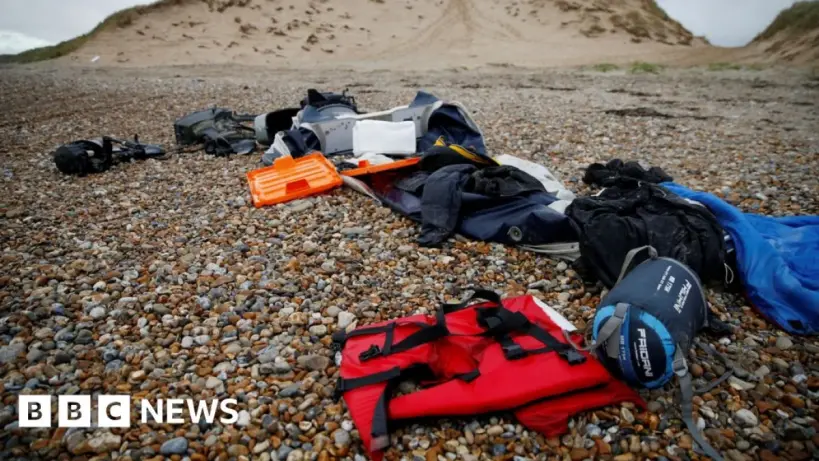
An inquiry into the tragic drowning of at least 30 people in the English Channel in 2021 reveals that systemic failures in the response efforts played a significant role in the incident.
Tragic Events Unfolded
On November 24, 2021, in the early morning hours, a small dinghy carrying migrants capsized in the Channel, marking the deadliest small boat incident in the area. Of the passengers, only two managed to survive, rescued nearly half a day after sending an initial call for help.
Failures in Response
Sir Ross Cranston, who led the inquiry, highlighted that government agencies missed crucial opportunities to prevent the tragedy. He pointed to shortages in Coastguard staffing and resources, which hampered their ability to conduct an effective rescue operation from the Dover base.
Despite needing to gather vital intelligence on the migration attempts, a surveillance aircraft was grounded due to adverse weather, and no backup plans were in place. Additionally, emergency calls from the ill-fated vessel were either missed or inadequately followed up, which resulted in search teams being ill-informed about the scale of the emergency.
Prevailing Misconceptions
There was also a damaging presumption among rescuers that distress signals from migrant boats were often exaggerated, leading to an underestimation of the peril faced by those at sea.
Three Key Failures
The inquiry identified three critical errors: the reckless overcrowding of boats by people smugglers, the sluggish response of the French naval ship Flamant, and the flawed search and rescue protocols of the Coastguard.
Aftermath and Testimonies
Survivors and family members of the victims had to wait until March 2024 for the inquiry to commence, where they provided heartbreaking testimonies. Their accounts emphasize the significant delay in addressing these life-threatening issues.
The findings underline the urgent need for systemic change to prevent similar tragedies in the future. Enhanced coordination, adequate staffing, and effective emergency preparedness are essential to saving lives.








Comments
Log in to write a comment