

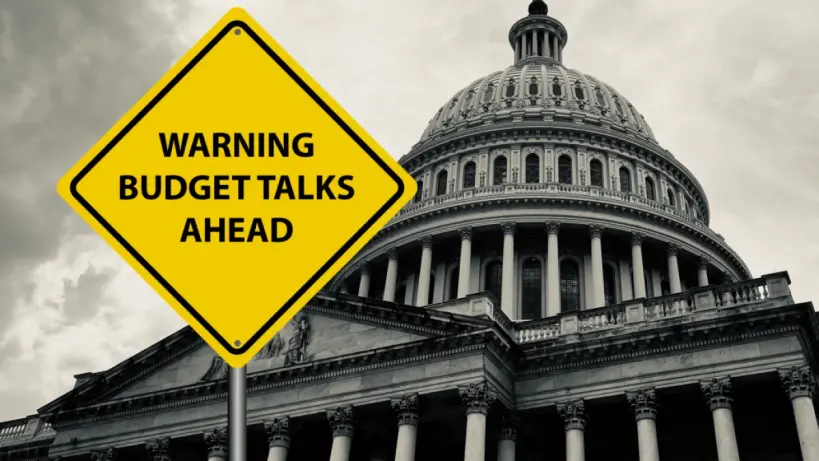
As the clock ticks toward another potential US government shutdown, Washington DC is buzzing with intense negotiations to secure a last-minute deal. At the heart of the discussions is a push from Democrats to alter funding for the Department of Homeland Security (DHS), following the controversial shooting of Alex Pretti by federal agents in Minneapolis.
Democratic Demands and Republican Resistance
The tragic death of 37-year-old Alex Pretti has galvanized Democrats into demanding stricter oversight of federal immigration agents. They're threatening to cut DHS funding from a $1.2 trillion spending package unless their calls for change are heeded. At the core of these demands are requirements for agents to obtain warrants before arrests and clearer identification procedures. This has stirred significant debate in the Senate, where the bill requires 60 votes to pass.
Progress Towards a Deal
Negotiations between the White House and Senate Democratic leaders appear to be nearing a compromise. The prospective deal would meet Democratic demands for oversight, potentially allowing five of the six spending bills to pass before the impending deadline. However, the DHS funding bill may see a short-term extension to allow further discussions on proposed restrictions, such as mask mandates for agents.
Rising Tensions in the Senate
Senate Minority Leader Chuck Schumer has firmly stated that he won't support any funding for Immigration and Customs Enforcement (ICE) unless significant reforms are made. Meanwhile, Republican Senate Majority Leader John Thune emphasizes ongoing productive discussions, though there's clear tension, with some Democrats even calling for the removal of DHS Secretary Kristi Noem. The stakes are high, as changes to the bill would require re-passage by the House, currently on recess.
Potential Impact of a Shutdown
Should a shutdown occur, it won't be a blanket halt of all federal operations. Agencies like the FBI and Department of Veterans Affairs would continue to function, shielded by funding secured until 2026. However, departments such as defense, health and human services, and the federal courts could face operational disruptions. The Internal Revenue Service, too, might see tax processing delays, affecting millions of Americans awaiting refunds.
Historical Context and Future Implications
The US has witnessed 16 government shutdowns since 1981, with the most recent and longest stretching 43 days in 2025. That disruption put 1.4 million federal employees on unpaid leave, impacted food aid, and delayed air travel. As the current situation unfolds, both sides must weigh the consequences of a prolonged shutdown against their respective policy priorities. The coming days will reveal whether a compromise can be reached to prevent further disruption.








Comments
Log in to write a comment