

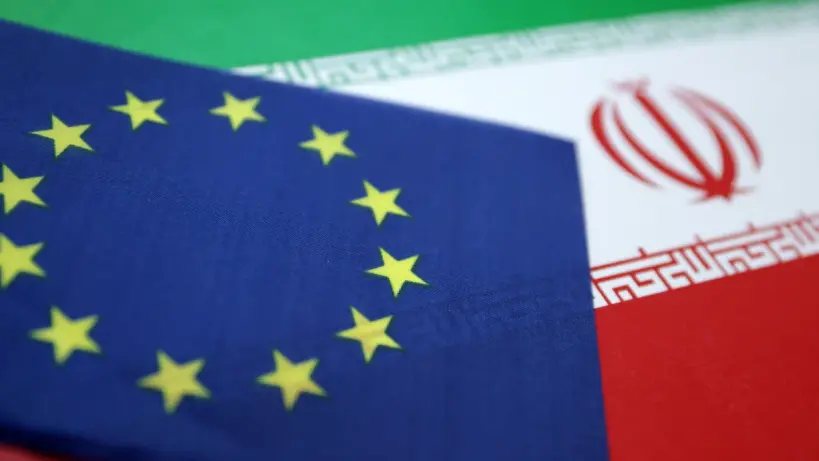
In a significant diplomatic move, the European Union has classified Iran's Islamic Revolutionary Guard Corps (IRGC) as a terrorist organization. This action is in response to Iran's harsh suppression of recent protests, which resulted in numerous casualties.
Background and Decision
The decision, led by the EU's foreign policy chief Kaja Kallas, came after discussions among EU foreign ministers who were troubled by the Iranian government's crackdown on dissent. Kallas emphasized the necessity of this decision, stating that such repression must not go unchallenged.
By placing the IRGC on its terrorist list, the EU equates it with groups like al-Qaeda and the Islamic State, reflecting the organization's significant military and political influence in Iran. Human rights organizations reported that the IRGC played a major role in violently suppressing protests in December and January.
International Reactions
French Foreign Minister Jean-Noel Barrot termed the Iranian government's actions as the most severe in its history and stressed the importance of accountability for the atrocities. Initially hesitant, France joined Italy in advocating for the inclusion of the IRGC on the terror list.
Sanctions and Implications
In addition to the IRGC's designation, the EU has imposed new sanctions targeting six entities and 15 individuals within Iran, including prominent figures like Interior Minister Eskandar Momeni and Prosecutor General Mohammad Movahedi Azad. These sanctions involve travel bans and asset freezes, aiming to dismantle supporting networks for the IRGC.
Countries like Australia, Canada, and the US have already categorized the IRGC as a terrorist group, unlike the UK, which remains reticent on the issue. Deputy Prime Minister David Lammy condemned Iran's oppression but maintained the UK's policy of not discussing specific proscription deliberations.
Escalating Tensions
Adding to regional tensions, US President Donald Trump recently announced the deployment of a powerful naval force towards Iran. In response, Iranian officials, including Foreign Minister Abbas Araghchi and Army Chief Amir Hatami, declared their readiness to retaliate against any aggression. The situation remains highly volatile with diplomatic channels still open, as Iranian representatives plan discussions with Turkey.
Conclusion
The EU's decision highlights increasing global condemnation of Iran's domestic policies and its international implications. The situation remains tense, with the potential for further diplomatic or military developments.




Comments
Log in to write a comment