


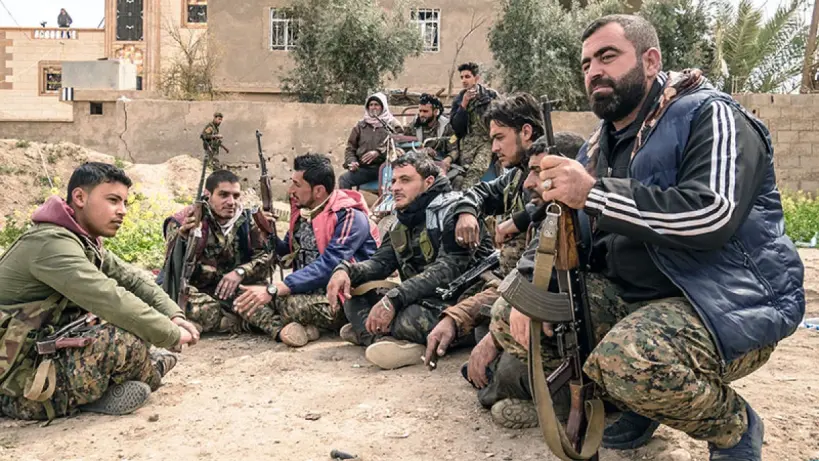
The changing dynamics in Syria are creating tensions as the Kurdish forces gear up for possible confrontations with the central government. Once allies with the United States against the Islamic State, the Kurdish groups now face a shifting political landscape.
Historical Alliances and Current Challenges
Commander Azad, a seasoned Kurdish fighter, recalls the days when they battled the Islamic State alongside the US. With visible scars and a limp, his past confrontations with Turkish and IS forces are etched into his body. Yet, the emotional wound of what he perceives as betrayal by the US, as it now supports Syria's new interim president, Ahmed al-Sharaa, is more profound.
Government Forces on the Move
The Syrian government, keen on reclaiming control over the northeastern Kurdish regions, has recently gained ground previously held by the Kurdish-led Syrian Democratic Forces (SDF). This strategic region is vital due to its resources, which the Kurds have managed since IS's defeat.
The New Political Landscape
Sharaa's rise to power, with his past ties to militant groups, has not eased the Kurds' concerns. Having fought against IS, the Kurds now find themselves challenged by a government led by a figure they see as no different from their past enemies. The Kurdish forces, with a legacy of 11,000 lost fighters, are not ready to concede their hard-earned autonomy.
Potential for Escalation
As Syrian forces inch closer, the Kurds, under leaders like Azad, prepare for the worst. Despite a fragile ceasefire set to expire soon, efforts are being made to secure lasting peace. But the situation remains volatile, and any misstep could ignite further conflict.
At the Camps
With regions holding thousands of former IS affiliates, the stakes are high. The Kurdish camps and prisons, home to both fighters and their families, remain tense. As government forces take over parts like the al-Hol camp, there's growing unrest and fear of the detainees being propelled by the shifting power dynamics.
Amidst the harsh conditions in camps like Roj, women and children who have faced no legal charges still endure a life of confinement. These tents offer little comfort against the elements, and detainees, like some women from North Africa, express their yearning for a different life for their children.
International Concerns and Future Prospects
The potential for renewed conflict raises important questions for the international community, particularly countries like the UK, which have citizens in these camps. As the situation evolves, there's an urgency for these nations to reconsider their stance on repatriation.
The unfolding events in Syria indicate that the region's struggles are far from over. The Kurdish resistance remains firm, but the complexities of the situation suggest a difficult path ahead for all those involved.






Comments
Log in to write a comment