


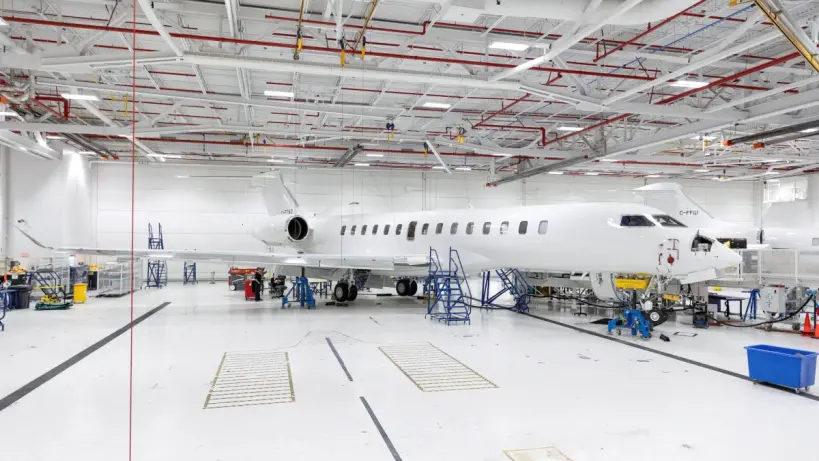
Tensions between the United States and Canada have escalated, with President Donald Trump threatening to impose a 50% tariff on Canadian aircraft imports. This move is part of an ongoing dispute over the certification of Gulfstream jets, a product of the U.S.-based company.
Key Issues in the Aviation Dispute
Trump's ultimatum comes as Canada has allegedly failed to certify several Gulfstream models, including the 500, 600, 700, and 800 series. The lack of certification by Canadian authorities has prompted the U.S. president to propose tariffs on Canadian-made planes unless the issue is resolved.
In a statement on Truth Social, Trump expressed his frustration, indicating that if the situation isn't promptly addressed, significant tariffs would apply to any Canadian aircraft entering the U.S. market. This declaration has added to the already fraught trade relations between the two countries.
Impact on the Aviation Industry
The proposed tariffs could severely impact U.S. airlines like American Airlines and Delta Air Lines that rely on Canadian-manufactured planes for regional services. However, a White House official clarified that the threat does not imply decertification of Canadian planes currently in use.
According to aviation data provider Cirium, there are 150 Global Express jets operating within the U.S., with a total of 5,425 Canadian-made aircraft, including regional jets and helicopters, registered across the nation.
Industry Reactions and Concerns
Bombardier, a major Canadian aerospace company, has acknowledged Trump's social media post and is actively communicating with the Canadian government about the issue. The company hopes for a quick resolution to minimize disruptions to air traffic.
Aviation professionals warn that intertwining economic pressures with aviation safety could destabilize the industry. Richard Aboulafia, managing director at AeroDynamic Advisory, criticized the proposal as potentially harmful, mixing political grievances with matters of safety.
While some aviation experts question the feasibility of Trump's threat, given the FAA's jurisdiction over plane certifications, the potential tariffs still pose a risk to the North American aerospace sector. Union representatives have also expressed concern about the possible impact on jobs.
International Certification Processes
Aircraft design certification is primarily the responsibility of the country where the manufacturer is based. For Gulfstream, this means certification by the U.S. Federal Aviation Administration (FAA). While the FAA recently certified Bombardier's Global 8000 jets, the fastest civilian planes currently, full international approval is still pending.
Historically, other countries validate the FAA's initial certifications, but they can request further data or adjustments. Such processes were highlighted in the aftermath of the Boeing 737 MAX incidents.
With U.S. tariffs influencing Canadian trade, Canadian leadership, including Prime Minister Mark Carney, is advocating for diversified trade strategies to reduce dependence on U.S. exports. This situation underscores broader trade tensions beyond aviation.
As the situation unfolds, both nations' industries await further developments, hoping for a resolution that maintains the integrity of international aviation standards while addressing economic concerns.








Comments
Log in to write a comment