


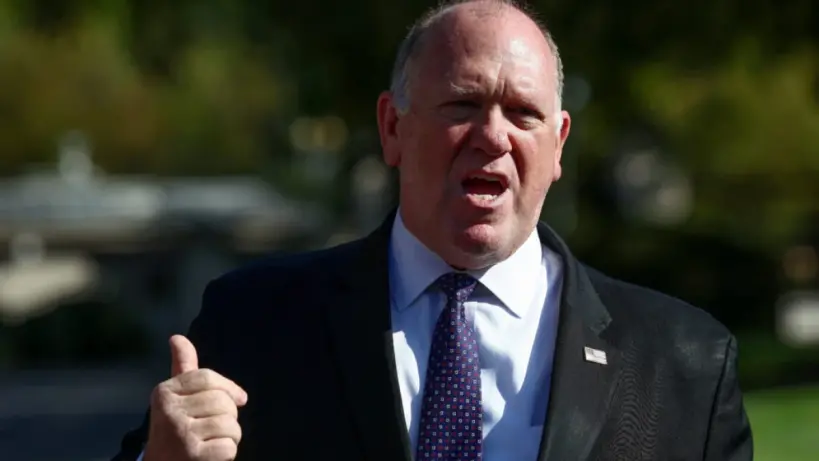
Amid escalating tensions in Minneapolis, U.S. President Donald Trump has dispatched his steadfast ally, Tom Homan, to oversee immigration enforcement there. This move follows the controversial shooting deaths of two American citizens by federal agents in the city.
Why Homan's Role is Key
The White House has announced that Homan will act as the primary liaison on immigration matters in Minneapolis, collaborating closely with local officials. His arrival coincides with the anticipated departure of Gregory Bovino, the current U.S. Border Patrol chief known for his role in mass deportation initiatives.
Homan, a 64-year-old native of upstate New York, boasts extensive experience in immigration matters, having served under both Republican and Democratic administrations. His staunch defense of Trump's immigration policies marks him as a significant figure in the current administration.
Homan's Background and Controversies
Beginning his career as a law enforcement officer, Homan joined border patrol in 1984. He quickly climbed the ranks, ultimately holding a pivotal post in Immigration and Customs Enforcement during the Obama era. Although he planned to retire in early 2017, he was persuaded to stay by then-Chief of Staff John Kelly.
Despite his informal title as "border tsar," Homan wields considerable influence over U.S. immigration policies. His actions often target serious offenders, though critics argue that they ensnare non-criminal undocumented immigrants as well. The controversy deepened in September when Homan faced bribery allegations that were later dropped.
The Departure of Greg Bovino
Greg Bovino, a seasoned law enforcement veteran, has become a notable figure in Trump's immigration crackdowns across cities like Los Angeles and Chicago. His tactics, particularly the aggressive "turn and burn" method, have drawn both praise and criticism. Bovino's confrontational style has led to clashes with lawmakers from both political parties.
Potential Impact of the Leadership Change
Many see Homan's appointment as a sign that the White House aims to address growing public concern over immigration enforcement methods. However, the fundamental approach is unlikely to change significantly, as Homan's career has been defined by his strong support for deportation strategies.
Immigration activists and organizations express skepticism over any meaningful shift in policy. Michael Lukens of the Amica Center believes Homan's polished approach may serve political aims more than humanitarian ones. Lukens remains doubtful of any moderate shift under Homan's leadership.
Ultimately, the leadership shuffle in Minneapolis reflects ongoing debates about immigration policy and enforcement, with Homan's return highlighting these contentious issues.








Comments
Log in to write a comment