


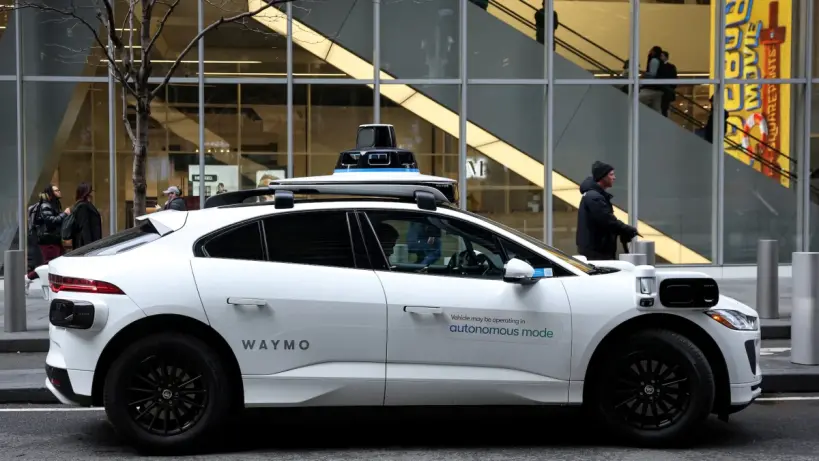
Waymo's imminent launch of driverless taxis in London marks a significant step towards a new era of transportation. Expected to be operational by September, these automated vehicles could transform urban mobility.
Waymo's Plans for London
In April, Waymo, the American autonomous vehicle company owned by Alphabet, plans to pilot a self-driving taxi service in London. The UK government aims to update regulations by 2026 to allow such services more broadly. Until then, pilot projects like Waymo's will pave the way.
Official Support and Safety Assurances
Local Transport Minister Lilian Greenwood has expressed support for Waymo, indicating a commitment to innovative transit solutions. She highlighted the safety advantages of driverless cars, noting their immunity to fatigue and distractions that affect human drivers. However, she emphasized the necessity for these vehicles to adhere to stringent safety and cybersecurity standards before a full rollout is approved.
Economic Impact and Future Prospects
The government estimates that the autonomous vehicle industry could infuse £42 billion into the economy by 2035, potentially creating 40,000 new jobs. This anticipated economic boost underscores the importance of embracing technological advancements in transportation.
Technical Aspects of Waymo's Vehicles
Waymo's cars are equipped with advanced sensor systems, including lidar, radar, vision, and microphones, allowing them to navigate complex urban environments. These systems provide a comprehensive view of their surroundings, even in challenging weather conditions. A sophisticated onboard computer processes this data in real-time, making informed driving decisions.
Competitive Market and Pricing Strategy
Waymo's robotaxis, primarily Jaguar models, will initially operate with competitive, yet premium pricing, subject to fluctuations during peak demand. Meanwhile, competitors like Uber and Lyft are also preparing to enter the UK market, partnering with Baidu for their own autonomous services.
Conclusion
As driverless taxis prepare to hit London streets, the city moves closer to a future where technology reshapes how people commute. While challenges remain, the potential benefits in safety and economic growth are compelling reasons for anticipation and readiness.








Comments
Log in to write a comment