


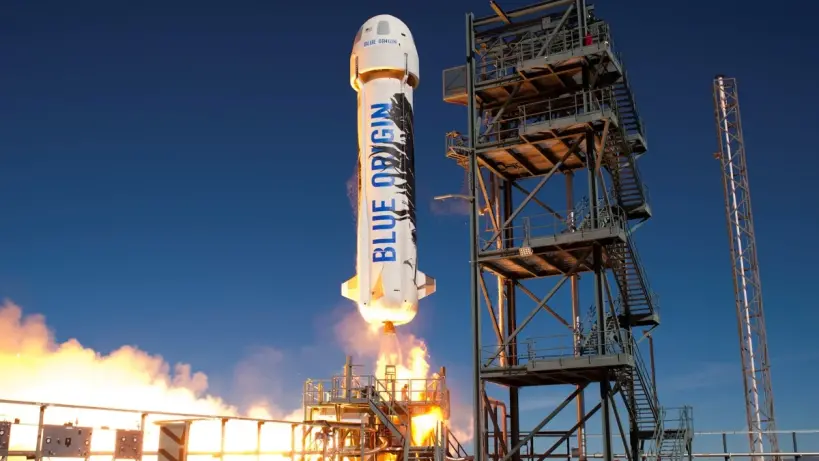
Blue Origin has decided to pause its New Shepard program for the next two years, indicating a likely end to its suborbital space tourism efforts. Founded by Jeff Bezos over 25 years ago, Blue Origin's decision marks a significant pivot in its strategic goals.
The New Shepard, a small rocket and capsule combination, has been operational since April 2015, successfully completing 38 launches and 36 landings. Throughout its tenure, it transported 98 individuals briefly into space and launched over 200 scientific payloads into a microgravity environment.
Strategic Shift Toward Lunar Goals
Company CEO Dave Limp informed employees in an internal email that resources and workforce would be redirected to enhance the company's human lunar capabilities, including the New Glenn program. This shift aligns with national objectives to return to the Moon and establish a sustained lunar presence.
Unexpected Decision
The decision to halt the New Shepard program came as a surprise to many within Blue Origin. Just eight days prior, the most recent mission flew six people into space. Despite having four new boosters in development and two capsules under construction, and selling seats at around $1 million each, the program has faced viability questions.
In the past, articles questioned how long Bezos would subsidize this financially challenging program. Although nearing financial sustainability, it continues to be a financial burden on the company's broader operations.
Impact on Workforce
Currently, about 400 employees dedicate part or all of their time to the New Shepard program, which also draws resources from other areas within Blue Origin. Although this is a small portion of the company's workforce, the program's demands have diverted attention from Blue Origin's larger-scale ambitions of space colonization and industrial activity relocation.
In summary, Blue Origin's decision to conclude the New Shepard program reflects a strategic realignment towards lunar exploration and development. While ending a notable chapter in suborbital tourism, the company is positioning itself for future endeavors beyond Earth's orbit.








Comments
Log in to write a comment