

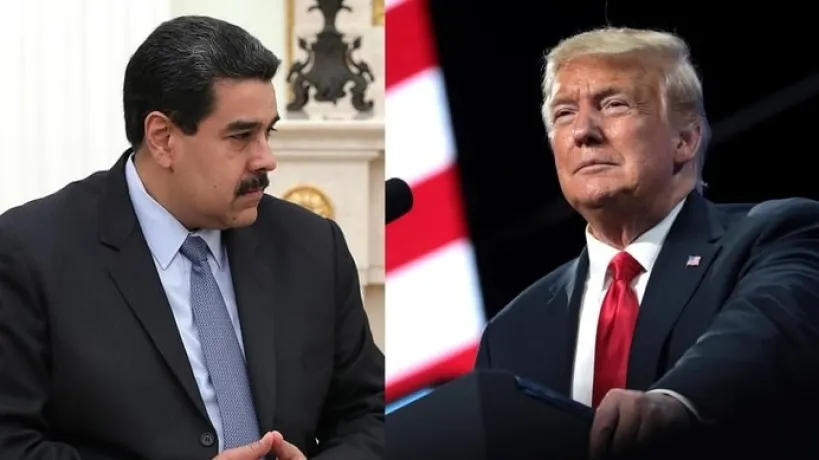
Venezuela is currently at the center of an unprecedented international crisis following U.S. military action that President Donald Trump claims resulted in the arrest of Venezuelan President Nicolás Maduro and his wife, and their transfer out of the country. This dramatic announcement has triggered global concern and a complex diplomatic standoff.
According to Trump, the operation involved large-scale strikes on Venezuelan territory, leading to reported explosions and aircraft activity over the capital, Caracas. However, Venezuelan authorities have yet to issue an official statement clarifying the situation or confirming the whereabouts of Maduro and his spouse.
U.S. Senator Mike Lee has stated that Maduro has been detained to face criminal charges in U.S. courts, intensifying debate over the legality and implications of such a high-profile international arrest.
Meanwhile, Venezuelan Vice President Delcy Rodríguez has demanded proof of life for Maduro and his wife, noting that the government lacks information about their current condition, adding further uncertainty to the rapidly evolving situation.
These developments come amid months of escalating tensions between Caracas and Washington, with Venezuela accusing the U.S. of provocative military activity near its borders, which it claims threatens national security.
Accusations have also been exchanged, with Venezuelan officials alleging that the U.S. is attempting to “fabricate war” and impose its will on the South American nation, while the United States maintains that its actions target narcotics trafficking and organized crime networks.
As the situation remains fluid and global concern grows, calls are increasing for diplomatic engagement and restraint to prevent the crisis from escalating into a broader regional confrontation.



Comments
Log in to write a comment