


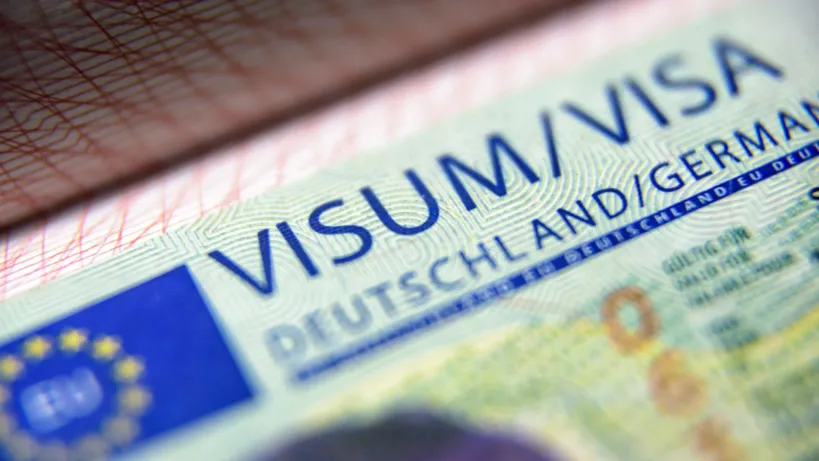
Despite introducing stricter immigration regulations, Germany’s coalition government has continued to approve a significant number of family reunification visas this year, highlighting a careful balance between tightened controls and humanitarian commitments.
According to newly released data from the German Foreign Office, authorities approved 101,756 family reunification visas by the end of last November. These visas were granted mainly to nationals of five countries that represent the largest share of asylum applicants in Germany, underscoring the continued importance of family reunification as a legal pathway for migration.
Nationals of Turkey topped the list, receiving 14,907 visas, followed by Syrian citizens with 13,148 visas. India ranked third with 9,286 visas, while Kosovo accounted for 7,143 visas, and Albania followed with 4,426 visas. Together, these five nationalities made up the majority of approved family reunification cases during the reporting period.
The figures also reveal that child reunification visas, allowing children to join their parents in Germany, represented a substantial portion of the total. More than 37,227 visas were issued under this category alone, reflecting Germany’s ongoing emphasis on protecting family unity, particularly for minors.
At the same time, around 3,500 visas were granted for the reunification of parents with their children, a smaller but still notable segment of the overall total. However, the most common type of family reunification visa remained spousal reunification, with 44,426 visas issued to spouses of foreign residents living in Germany.
In addition, German authorities approved 16,298 further visas enabling individuals to move to Germany to live with spouses who hold German citizenship, reinforcing the country’s legal framework for maintaining family cohesion.
These official figures provide insight into Germany’s current migration policy, which continues to spark political and public debate. While the government has tightened procedures and requirements, family reunification remains a central pillar of the immigration system, reflecting Germany’s commitment to international humanitarian standards and the right to family life.








Comments
Log in to write a comment