


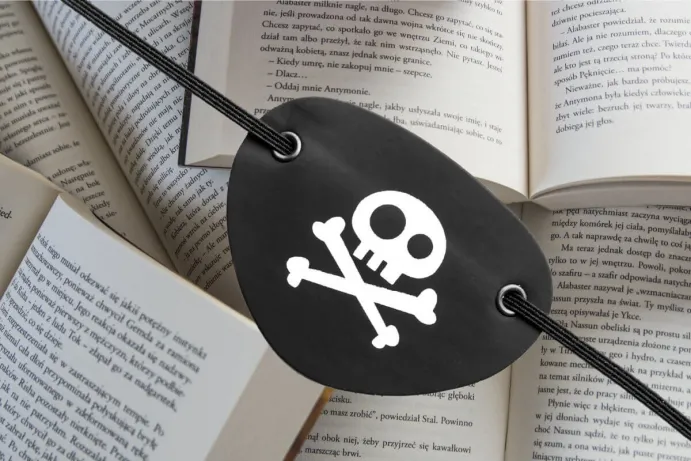
Anna's Archive, a name that's been making waves across the digital world, has drawn both attention and ire by claiming to have scraped a staggering 300TB of Spotify music and metadata. It's a bold move, one that many see as a direct challenge to copyright norms and a clear signal of support for AI developers. But is it a step too far?
AI Developers in the Mix
Anna's Archive seems to be courting AI developers with its offerings. The site openly promotes selling high-speed access to enterprise-level data, including unreleased collections. If you've got the cash, tens of thousands according to their website, you can get in on the action. It's almost as if they're flaunting a business model built on the edge of legality, inviting AI researchers to join in.
And while AI might not have been their initial goal, they're certainly facilitating what some are calling 'piracy-maxxing' for AI labs. It's a gray area that's raising eyebrows and questions about the archive's ultimate intentions.
A Target on Their Back
Meanwhile, over on Reddit, users are buzzing with concern. Some fear that by scraping such a massive amount of data, Anna's Archive has painted a bullseye on itself. They've seen what happened to the Internet Archive, which faced a brutal legal battle with record labels, ending in a confidential settlement. One user expressed sheer frustration, worrying that this Spotify maneuver could jeopardize the archive’s more important literary collections.
There's even a conspiracy theory floating around that suggests the archive's bold actions are financed by 'AI bros' who are secretly bankrolling the operation to keep it afloat. It's a theory that fuels debate and adds another layer of intrigue to the already complex narrative.
A Resilient System?
Some users find solace in the archive's design, which is said to be resistant to takedowns. The domain might disappear, but the core software and data could resurface repeatedly. It's a comforting thought for those who believe in the archive's mission.
But not everyone buys this narrative. One skeptic likened this optimism to calling the Titanic unsinkable. Sure, data can resurface, but each time it does, it requires money and resources, both of which are limited. The real question is, how many times will people be willing to go through the cycle before they throw in the towel?
Ars Technica couldn't immediately get a comment from Anna's Archive or Spotify, leaving these questions hanging in the air. The stakes are high, and the future of Anna's Archive remains uncertain, teetering on the edge of innovation and infringement.







Comments
Log in to write a comment