


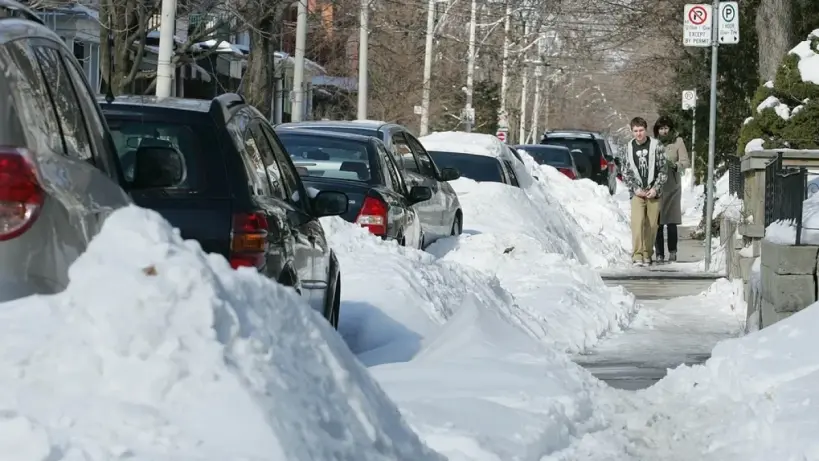
Winter months often bring challenges related to street parking, especially when it involves clearing snow. Many wonder if shoveling a spot gives them ownership over it. This question leads to broader conversations about legal rights and community morals.
Legal Insights on Neighbour Conflicts
Lawyer Laya Witty emphasizes that court cases on neighbour disputes rarely end positively. She mentions the courts' intolerance for petty disagreements between neighbors, considering them a waste of both time and resources. Hiring legal help for such issues can be costly, only to have the court dismiss them as trivial.
According to Witty, courts are not inclined to award financial compensation in these disputes. Their typical response is an order for individuals to keep their distance and cease communication. Witty advises neighbors to attempt resolution through conversation first.
Alternatives to Legal Action
If dialogues fail, Witty suggests avoiding the effort of clearing a spot in favor of paid parking, such as solutions offered by Green P. She reassures that parking fees are significantly less than legal expenses.
Guiding Principles for Neighbours
Referencing the 'golden rule,' Witty highlights the importance of treating others as one wishes to be treated. She stresses that while losing a shoveled spot is frustrating, it's a moral issue, not legal. Streets, as public resources, require fair sharing among all.
Witty shares a personal anecdote from New York City, explaining cultural differences in street parking practices, which further underscores the importance of understanding local customs.
The Ethics of Community Living
Katharine O’Reilly, a philosophy professor, shares Aristotle's ethics focusing on character and social impact over rigid rules. She encourages people to reflect on personal values and the social consequences of their actions. By questioning the character one wishes to embody amid societal tensions, individuals can navigate daily life with greater integrity and consciousness.
In conclusion, neighborly disputes over parking and snow-clearing highlight the need for open communication, moral consideration, and understanding of community norms. While legal recourse exists, it often fails to provide satisfactory solutions, making social contracts and ethical behavior more vital than ever.








Comments
Log in to write a comment