



Iranian official Mohammad Mokhber, an adviser to Supreme Leader Ayatollah Ali Khamenei, has issued a firm message concerning freedom of aviation in the region, saying that airspace access should be available to all countries or to none.
Mokhber’s remarks come amid heightened attention to the movement of commercial and civilian aircraft across regional airspace, where security developments can affect flight operations, routes, and aviation safety.
The Iranian official said: “Either freedom of aviation in the region is available to everyone, or it should be available to no one.” The statement presents Iran’s position on the principle of equal access to regional airspace and comes as aviation authorities and airlines continue to monitor developments closely.
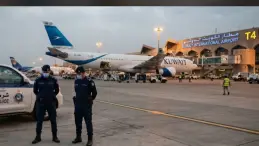
Airspace restrictions can have significant consequences for international aviation. When certain routes are closed or considered unsafe, airlines may be required to suspend flights, reroute aircraft, or use longer alternative paths, potentially affecting schedules and travel times.
The latest Iranian message also highlights the broader importance of airspace security during periods of regional tension. Decisions involving the suspension or continuation of flights are generally linked to security assessments, operational conditions, and official aviation notices issued by the relevant authorities.
For passengers, any changes to flight operations can lead to delays, cancellations, diversions, or changes in scheduled routes. Airlines typically assess official aviation guidance before determining whether flights can continue through a particular area.
The statement has therefore drawn attention to the question of how regional airspace will be managed if security conditions deteriorate further. It also underscores the sensitivity of civilian aviation to developments that can rapidly affect air travel across neighboring countries.
At this stage, the statement itself does not establish a specific timetable for suspending flights in individual countries. Any actual restrictions would depend on decisions announced by the competent aviation and security authorities in the countries concerned.
The developments remain closely watched by airlines, airports, passengers, and aviation authorities as they assess the safety and continuity of air travel across the region.





Comments
Log in to write a comment